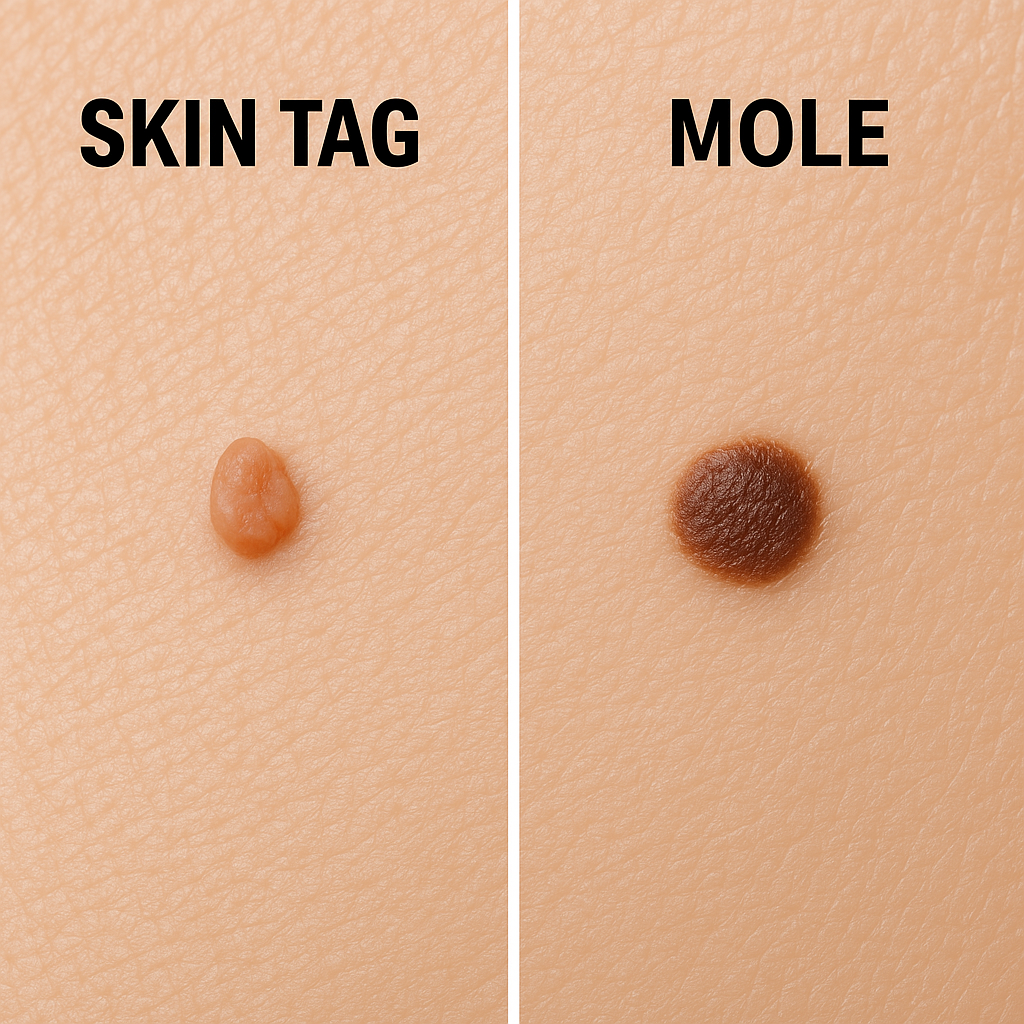
Moles & Benign Skin Growths Types, Dangers
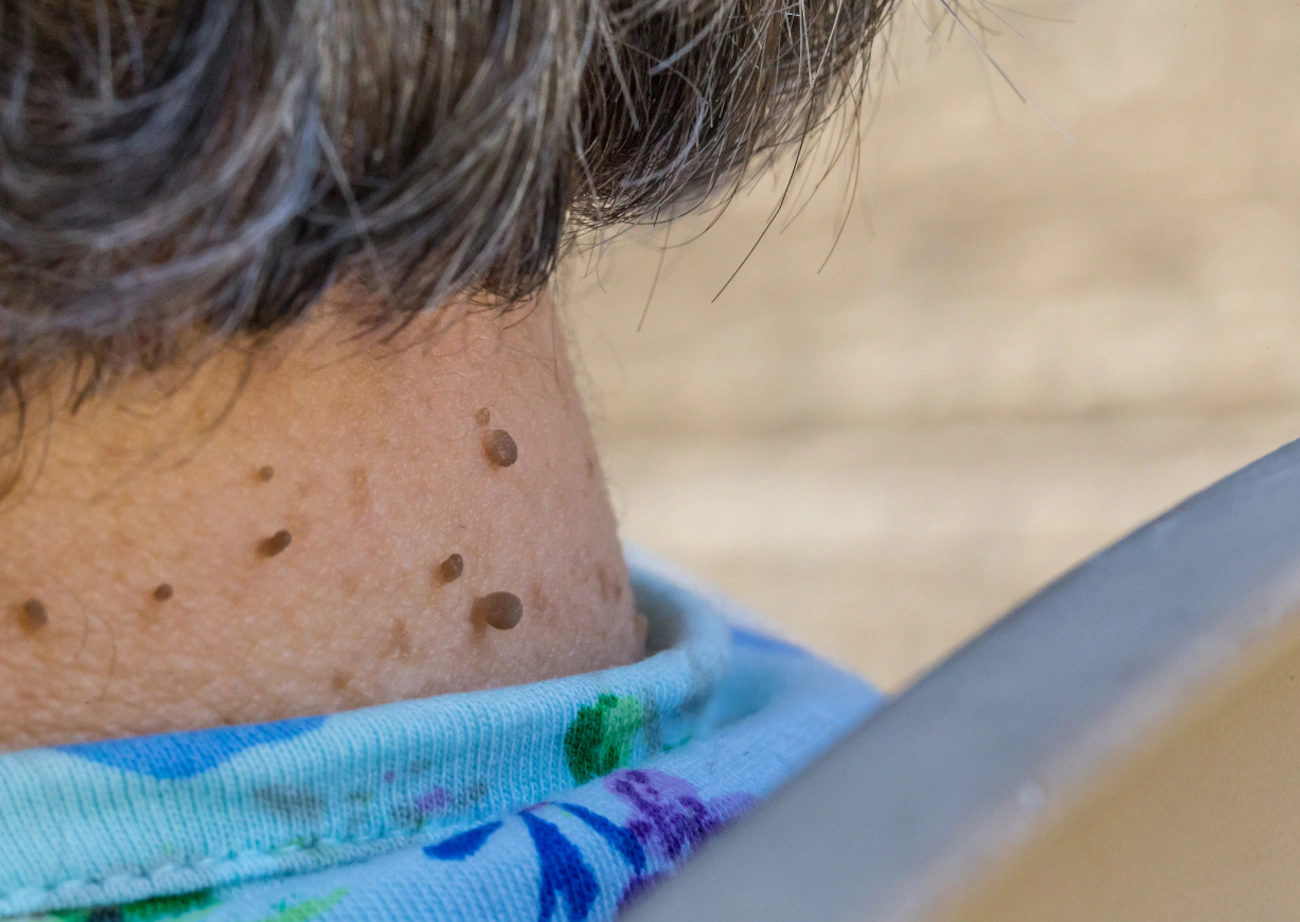
Benign Skin Sores: Causes, Usual Types & Secure Therapy Guide Moles are generally brown, black, or flesh-colored and can vary in shapes and size. The majority of moles are benign, indicating they are not malignant and pose no threat to your health. Nonetheless, some moles can transform in time, and these adjustments may be a sign of cancer malignancy, the most major kind of skin cancer. Most skin moles are benign or noncancerous, yet they can change over time. Restriction your exposure to the sunlight's ultraviolet rays, specifically between 10 a.m . While outdoors, freely apply a broad range sunscreen with an SPF of 30 or higher (don't forget the lips and ears!), wear a hat and sunglasses, and cover with apparel. And bear in mind, if you observe adjustments to your skin such as a new development, a mole altering look, or a sore that will not heal, see a doctor right means. If you find a mole or area that has any ABCDE's of melanoma-- or one that hurts, itching, exuding, scaly, doesn't heal or has redness or swelling past the mole-- see a physician. Your medical professional might intend to remove a tissue sample from the mole and biopsy it. Although sweat hyperplasia positions no health threats, these lesions sometimes look comparable to basal cell skin cancers cells. Expert medical examination guarantees a proper medical diagnosis and appropriate administration referrals. Seek areas that contain multiple tones of brown, black, red, white, blue, or pink, as this variant could signal cancerous adjustments occurring within the skin cells. Color changes in existing moles need to additionally trigger a specialist examination. Atypical moles hardly ever need to be eliminated as long as they do disappoint any one of the modifications provided above, in which they may be precancerous moles and need to be gotten rid of right away. If you have any type of area that is altering, bleeding, painful, or otherwise recovery, speak to a physician. Skin cancer cells can be deadly if progressed, especially melanoma. For onset skin cancer, treatment is normally performed in an outpatient setting. Early stage skin cancer cells is often dealt with rapidly and efficiently when addressed without delay. That stated, skin cancer cells can take place in people of all skin tones. If you observe any modifications, it is worth calling your physician to make certain there is nothing to be concerned regarding. Enjoy the video clip below to discover the ABCDE rule for identifying skin cancer. Surgical excision involves thoroughly eliminating the lesion, usually with a tiny margin of bordering cells. The skin is after that stitched to shut the injury and enable ideal healing. This technique guarantees a complete lesion removal, specifically for bigger or deeper developments. New and atypical moles can be an indication of cancer malignancy, a skin mole to worry about. Without treatment, this fast-growing type of skin cancer cells can be harmful. It can invade neighboring tissue and spread to other components of your body, including your lungs, liver, or brain.
Ecological Variables
- Other types have a hereditary or developmental origin.The growth of numerous moles (nevi) along with lipomas (fatty lumps) shows familial patterns and begins throughout very early life phases.
- Connected to actinic keratosis, actinic cheilitis is a precancerous problem that normally shows up on the reduced lips.
- Any type of skin lesion that comes to be uncomfortable, bleeds, or grows rapidly ought to be evaluated by a skin specialist to rule out hatred.
- New and irregular moles can be an indication of melanoma, a skin mole to worry about.
Current Patients & Carriers
If Clinical Research you see any one of the ABCDE signs, see a healthcare provider. You may require a biopsy to see if the lesion is a risk for skin cancer. Skin cancer cells is the most typically detected kind of cancer cells, impacting countless people yearly. Many skin cancers are highly treatable, especially if they are captured early. Lots of skin cancers cells only impact the upper layers of the skin, and unusual cells can be removed with a straightforward procedure. The boundaries of benign moles tend to be smooth and even, whereas skin cancer sores usually have irregular, jagged, or obscured edges. Benign moles commonly have a consistent shade, such as brownish or black, while skin cancer cells lesions might display multiple colors, consisting of tones of brownish, black, red, white, or blue. The diameter of the mole is also important; benign moles are generally smaller sized than 6mm (regarding the size of a pencil eraser), while skin cancer lesions might be bigger and remain to grow in time. Skin cancer cells is a severe condition that takes place when skin cells grow frantically.What do malignant sores seem like?
Although skin cancer sores may bleed, itch, or trigger discomfort, lots of malignant tumors trigger no uncommon feelings whatsoever. This is why it''s so important to recognize the very early signs of skin cancer cells and timetable routine testings & #x 2014; specifically if you''ve seen a brand-new, uncommon development on your skin.